Miami construction cost estimator is the backbone of a reliable project budget. In this guide we outline a detailed, actionable process tailored to Miami's market, including local material pricing, permit fees, and phased cost tracking. We’ll walk through estimating methods for both commercial and residential projects and show how to apply these steps to real-world bids and budgets.
Understanding the cost estimating framework
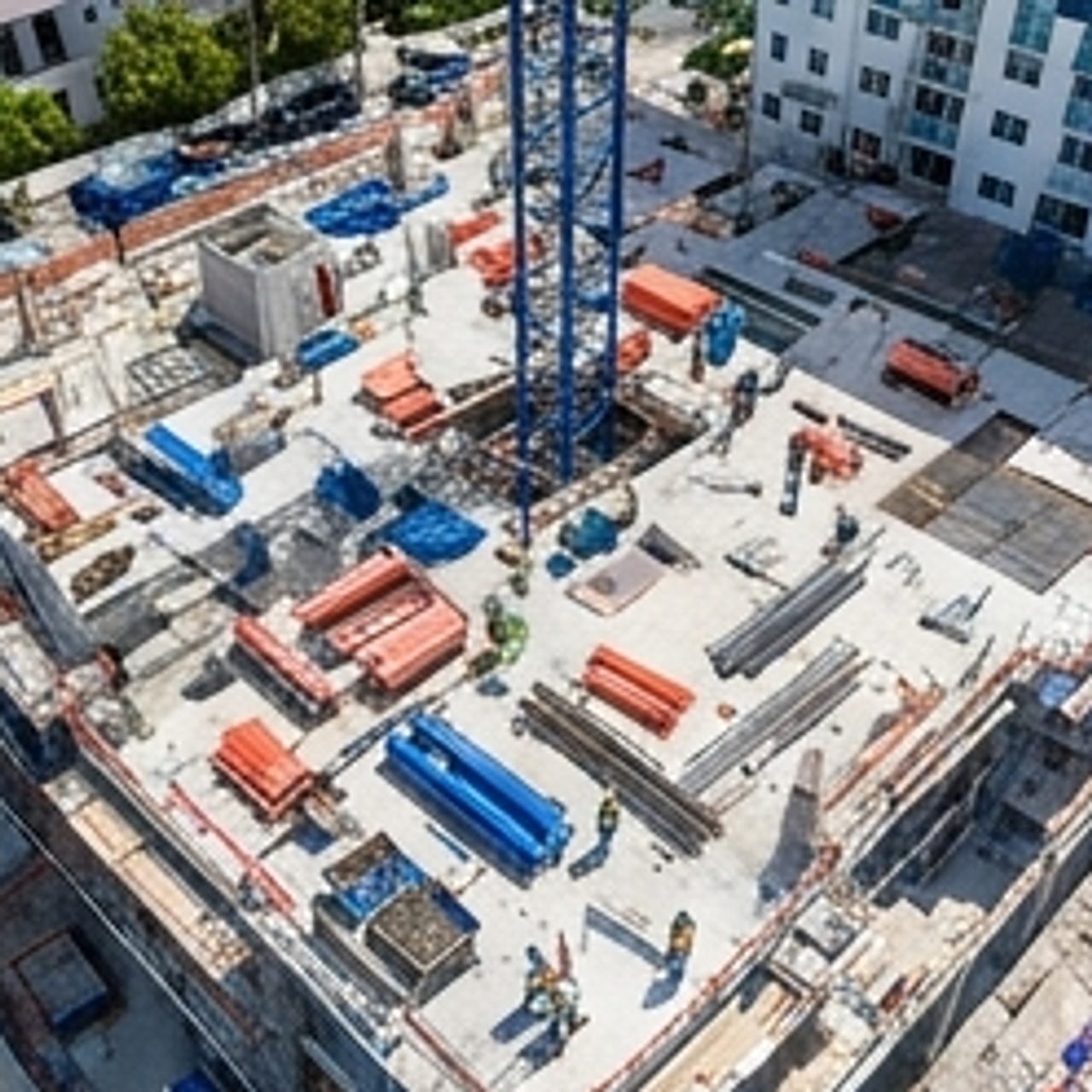
A solid estimate starts with a clear scope, a structured cost plan, and a method to track changes. We begin with a project description, site conditions, and design maturity. Break the project into work packages (site and utilities, structure, exterior, interior, finishes, and systems). Use a bottom-up approach for accuracy or a hybrid approach combining unit costs with quantities. In Miami, local factors like climate, hurricane codes, and material availability influence both price and schedule, so adjust early and document assumptions. Once the work breakdown is set, assign direct costs (labor, materials, equipment) and indirect costs (permits, insurance, project management, overhead). The final estimate should include a contingency that reflects risk, scope stability, and market volatility in Miami.
- Create a work breakdown structure (WBS) with 6–8 major packages.
- Document all assumptions about materials, labor rates, and productivity.
- Establish a consistent cost basis for all line items.
Defining scope clearly
A precise scope reduces change orders. Include drawings, specifications, site constraints, and any unique Miami requirements such as enhanced wind loads or flood considerations. If scope is uncertain, present multiple scenarios (baseline, expanded, and trimmed) with associated costs.
Gathering local pricing for Miami
Local pricing is the engine of accuracy. Use recent supplier quotes, local vendor lists, and regional data from Miami-Dade County. Build a local price database for key materials like concrete, steel, drywall, roofing, windows, and finishes. Include delivery charges, lead times, and possible surcharges. Don’t forget climate-related adjustments such as corrosion resistance and hurricane-rated components. For residential work, account for buyer preference changes; for commercial, consider higher specification standards. Always annotate price sources and date to track market movement.
- Create a material catalog with current Miami prices.
- Add delivery and handling fees by supplier.
- Record price update dates to monitor market trends.
Material price benchmarking
Compare multiple Miami suppliers for the same material class, track price per unit (cubic yard, square foot, ton), and note any bulk discounts. Incorporate Miami-specific taxes and fees into the unit prices. Maintain versioned price sheets so you can reprice quickly when bids are updated.
Labor, subcontractors, and schedule impact
Labor costs in Miami reflect prevailing wage trends and skilled trade availability. Estimate crew size, productivity, and shift patterns. For each package, assign crew rates, overtime considerations, and subcontractor markups. Schedule risk affects both cost and cash flow; longer durations increase holding costs and risk of price changes. Build separate costs for general conditions such as site management, temporary facilities, safety, and quality control. Include escalation clauses where applicable and document how price changes will be handled if the market shifts during the project.
- List each trade with unit rates, crew size, and productivity assumptions.
- Apply escalation allowances for long-duration projects.
- Document subcontractor warranties and insurance requirements.
Productivity and offshore risk
In congested Miami markets, productivity can vary. Use proven multipliers for site constraints, weather days, and permit delays. For residential projects, factor homeowner access and material storage constraints. For commercial, plan for phased deliveries and dock access to minimize downtime.
Permits, fees, and regulatory considerations in Miami
Permitting in Miami involves local authorities, plan review, impact fees, and potential seaport or environmental considerations. Start with a permit plan estimate that includes application fees, plan checks, impact fees, and inspection charges. Add fees for specific Miami requirements, such as hurricane-resistant construction, flood mitigation measures, and environmental compliance. Build a process for permit timeline estimates, as delays can ripple through the schedule and costs. Keep a checklist of required documents and ensure alignment with city and county codes.
- Estimate permit timelines and fees by permit type.
- Document master checklist for all required approvals.
- Include contingency for permit-driven changes.
Typical Miami permit components
Common components include building permits, mechanical, electrical, and plumbing permits, impact fee assessments, and special flood or wind load approvals. Some projects may require coastal zone management permits or drainage impact reviews. Track each permit’s status and add reserve funds for unexpected hold-ups or plan revisions.
Contingencies, risk, and value engineering
Contingency planning protects budgets against scope changes and market shifts. Start with a baseline contingency based on project complexity and market conditions in Miami. Add a management contingency for design iterations and client-driven changes. Value engineering helps reduce costs without compromising function or quality. List optional alternatives for materials or construction methods suitable for Miami climate, and compare lifecycle costs to justify selections. Document risk registers and assign ownership for mitigation actions.
- Set a baseline contingency (e.g., 5–15%).
- Document all VE options with quantifiable costs.
- Maintain a risk log with mitigation owners.
Value engineering workflow
Create a structured VE process with stages: identify options, quantify savings, assess impact on quality/schedule, obtain approvals, and implement changes with updated pricing. Keep client communication clear about trade-offs and savings potential.
Putting it all together: a sample estimate
Combine quantities from the design with local price data to generate line-item costs. Start with site preparation, then structure, envelope, interiors, and systems. Add labor, equipment, and project management costs. Include permits and contingency, then present a few bid scenarios (baseline, optimistic, and conservative) to capture potential outcomes in Miami. Review the estimate with the client, highlighting risks and the rationale for each cost. Ensure the final document is clear, itemized, and easy to audit.
- Provide three budget scenarios with clear assumptions.
- Attach source quotes and price dates for transparency.
- Offer a moving-path plan for scope changes.
Sample structure
Site work, foundation, structure, exterior shell, interior finishes, mechanical/electrical/plumbing, specialty systems, finishes, exterior works, and closeout. Each section lists quantities, unit costs, extended costs, and notes on local considerations.
Tools and templates to stay in scope
We rely on standardized templates, price books, and cloud-based project management. Use a dynamic price database, a structured WBS, and a change-management process. Keep all documents synchronized with the project schedule and progress. Regular reviews with the client help manage expectations and maintain alignment with Miami market dynamics.
- Adopt a centralized cost database with Miami data.
- Use a live schedule linked to cost updates.
- Maintain a change-order log and monthly cost reports.
Frequently asked questions
What is a Miami construction cost estimator and why do I need it?
A Miami construction cost estimator is a structured method to forecast total project costs for both residential and commercial builds in Miami. It helps you plan budgets, compare bids, manage cash flow, and avoid surprise expenses by listing materials, labor, permits, and contingencies with local market data.
How do I account for local Miami permit fees in my estimate?
Start by listing all permit types required for the project and fetch current fees from Miami-Dade County and city agencies. Include plan review charges, impact fees, and inspections. Build a separate permit line item with a documented source and expected timeline, so delays and fees are anticipated early.
Where can I find current local pricing for Miami materials?
Gather pricing from multiple Miami suppliers, check regional price books, and compare quotes for materials like concrete, steel, drywall, and finishes. Record unit prices, delivery charges, lead times, and tax considerations. Update prices regularly to reflect market changes in the Miami area.
How should I handle contingencies in a Miami project?
Set a baseline contingency based on project risk, then add management contingency for design changes and client-driven scope shifts. In Miami, factor weather days, permit delays, and supply chain disruptions. Document assumptions and update contingencies as project conditions change.
What is a good way to present a cost estimate to clients in Miami?
Present a clear, itemized estimate with sections for site work, structure, envelopes, interiors, systems, permits, and contingencies. Include three scenarios (baseline, optimistic, conservative), show unit prices with sources, and attach the data sources and dates. Highlight local risks and mitigation strategies.
Can value engineering save money on a Miami project?
Yes. Use value engineering to explore lower-cost materials or construction methods while maintaining quality and performance. Evaluate lifecycle costs, impact on schedule, and client preferences. Document options with quantified savings and obtain client approvals before implementation.
By following this Miami-focused cost estimation approach, you can build accurate, defendable budgets that reflect local pricing, permits, and market conditions. Ready to start your next project with a solid cost plan? Contact Fikon Corp in Miami to get a tailored estimate and a transparent, actionable cost plan.